Learning JavaScript effectively benefits greatly from engaging in real-world projects that simulate practical scenarios. Such hands-on experience not only reinforces theoretical knowledge but also cultivates problem-solving abilities essential for development tasks.
This approach involves selecting suitable projects aligned with your skill level, planning and designing with clarity, implementing code efficiently, utilizing helpful tools, and continuously testing and refining your work. By integrating these steps, learners can accelerate their mastery of JavaScript in a meaningful and impactful way.
Introduction to learning JavaScript through real-world projects
Mastering JavaScript effectively requires more than just theoretical knowledge; engaging with practical, real-world projects bridges the gap between understanding concepts and applying them in actual scenarios. Such projects serve as invaluable tools for solidifying coding skills, fostering creativity, and building a compelling portfolio that showcases your capabilities to potential employers or clients. Incorporating hands-on projects into your learning journey transforms abstract syntax and functions into tangible solutions that address real needs.
Integrating projects systematically into your learning routine involves a structured approach. Starting with small, manageable tasks allows incremental progress, while gradually increasing the complexity of projects enhances problem-solving skills. Regularly dedicating time to develop, test, and refine projects ensures continuous improvement. Additionally, documenting your work and reflecting on the challenges faced deepens your understanding and prepares you for tackling more sophisticated programming tasks in the future.
The Role of Practical Projects in Mastering JavaScript
Practical projects are essential in translating theoretical knowledge into functional skills. They enable learners to encounter real-world constraints, such as debugging unexpected issues, optimizing performance, and designing user-friendly interfaces. These experiences not only reinforce technical concepts but also improve critical thinking and adaptability, which are crucial for a successful programming career.
“Learning by doing” accelerates comprehension, making complex topics more accessible and memorable. Projects foster a mindset of continuous experimentation and learning from mistakes, which are fundamental in software development.
Step-by-Step Approach to Incorporating Projects into Learning Routines
Developing a disciplined schedule that allocates consistent time for project work guarantees steady progress. The following step-by-step method helps integrate projects seamlessly:
- Identify your learning objectives: Determine specific skills or concepts you aim to learn or improve, such as DOM manipulation, API integration, or responsive design.
- Select relevant projects: Choose projects that align with your goals, starting with simpler applications like a to-do list or calculator before progressing to more complex systems like a weather app or e-commerce site.
- Plan your project: Break down the project into smaller tasks, draft wireframes or flowcharts, and Artikel the required technologies and tools.
- Implement incrementally: Develop the project in stages, testing each feature thoroughly before moving on to the next, ensuring a solid grasp of each component.
- Review and refine: After completing the initial version, seek feedback, troubleshoot issues, and optimize code for efficiency and readability.
- Document your work: Maintain comprehensive documentation, including code comments and project summaries, to reinforce understanding and facilitate future updates.
- Showcase and iterate: Share your projects on platforms like GitHub, collect feedback, and continue refining your skills through iterative improvements.
Enhancement of Problem-Solving Skills through Real-World Projects
Engaging with practical projects immerses learners in authentic challenges, such as handling asynchronous data, managing user inputs, and ensuring cross-browser compatibility. These problems require critical analysis, strategic planning, and creative solutions, all of which sharpen problem-solving abilities. As learners encounter bugs and unexpected behaviors, they develop resilience and adaptability, essential traits for effective programming.
Moreover, real-world projects often involve integrating external libraries, APIs, and frameworks, exposing learners to diverse tools and techniques. This broadens their technical repertoire and enhances their capacity to diagnose issues, optimize workflows, and implement best practices. Ultimately, each project completed not only builds technical expertise but also cultivates a problem-solving mindset that is indispensable in the dynamic field of JavaScript development.
Selecting suitable projects for different skill levels

Choosing appropriate projects that align with your current skill level is a pivotal step in mastering JavaScript through practical application. Well-matched projects not only reinforce learning but also boost confidence and maintain motivation. By selecting projects tailored to your expertise, you ensure a steady progression from foundational concepts to complex functionalities, making the learning journey both effective and enjoyable.
It is essential to understand the different categories of projects, ranging from beginner to advanced, and how to evaluate their complexity, required skills, and learning objectives. This strategic approach helps in curating a personalized project pathway, ensuring that each step builds upon previous knowledge while challenging you to expand your capabilities. Recognizing your interests and setting clear goals further enhances the relevance and engagement of your project choices.
Categorized list of project ideas based on skill levels
Below is a structured overview of project ideas categorized into beginner, intermediate, and advanced levels. Each category focuses on developing specific skills and achieving targeted objectives, facilitating a gradual and comprehensive learning experience.
| Project Complexity | Project Idea | Required Skills | Objectives |
|---|---|---|---|
| Beginner | To-Do List Application | Basic JavaScript, DOM manipulation, HTML & CSS | Understand event handling, manipulate DOM elements, and manage simple data storage |
| Beginner | Calculator | JavaScript functions, event listeners, basic arithmetic operations | Learn function creation, handling user input, and updating display dynamically |
| Intermediate | Weather App with API Integration | Fetching data via APIs, asynchronous JavaScript (async/await), JSON parsing | Retrieve real-time data from external sources, display dynamic content, and handle errors |
| Intermediate | Recipe Book with Search Functionality | DOM manipulation, local storage, array methods, event handling | Create a searchable list, persist data locally, and enhance user experience |
| Advanced | Real-Time Chat Application | WebSockets, backend integration, authentication, real-time data handling | Implement real-time communication, manage user sessions, and ensure data security |
| Advanced | Project Management Dashboard | Advanced JavaScript frameworks/libraries (e.g., React, Vue), API integration, state management | Build complex, interactive interfaces, handle multiple data streams, and improve scalability |
Identifying projects that align with personal learning goals involves assessing your current skill set, interests, and future aspirations. Consider the following methods:
- Review your recent learning milestones and determine which topics you find most engaging or challenging.
- Explore project ideas that incorporate technologies or concepts you aim to master, such as APIs, frameworks, or backend integration.
- Match project complexity with your confidence level; start with simple projects and progressively move to more complex ones as your skills develop.
- Reflect on practical applications or hobbies that could benefit from JavaScript solutions, making projects more relevant and motivating.
- Seek inspiration from online coding communities, open-source repositories, or industry trends to stay updated and inspired.
Choosing projects thoughtfully ensures a balanced and personalized learning experience, enabling steady growth and mastery over JavaScript through meaningful, real-world applications.
Planning and designing real-world JavaScript projects
Effective planning and design are crucial steps in developing successful JavaScript projects that meet real-world needs. These stages ensure clarity of objectives, efficient use of resources, and a smoother development process. By thoughtfully defining the scope, features, and user interface, developers can create projects that are both functional and user-friendly.
This section provides a structured approach to planning and designing JavaScript projects, emphasizing the importance of clear documentation, visual planning, and strategic organization to translate ideas into successful applications.
Defining project scope, features, and functionalities
Establishing a well-defined project scope is the foundation for a focused development process. It involves identifying the core problem to be solved, setting achievable goals, and clarifying the primary features necessary for your application. Proper scope management prevents scope creep and ensures the project remains manageable within available resources and timeframes.
To define features and functionalities, consider the following procedures:
- Identify user needs: Conduct research or surveys to understand the target users’ expectations and pain points.
- Prioritize features: Categorize features into must-have, should-have, and nice-to-have, ensuring essential functionalities are addressed first.
- Create user stories: Document specific scenarios describing how users will interact with the application, optimizing for usability and functionality.
- Define technical requirements: Specify technologies, libraries, and frameworks to be used, aligning with project goals and developer expertise.
Using tools like project management software or simple documentation templates helps keep these elements organized. Clear documentation of scope and features guides development efforts and facilitates communication among team members or stakeholders.
Wireframing and designing user interfaces before coding
Visual planning through wireframes and design mockups is vital in creating intuitive and appealing user interfaces. Wireframes serve as blueprint sketches that Artikel the structure, layout, and flow of the application, allowing developers and designers to collaboratively evaluate usability and aesthetics before committing to code.
Techniques for effective wireframing and UI design include:
- Sketching basic layouts: Use pen and paper or digital tools to draft initial layouts, focusing on positioning of key elements such as buttons, forms, and navigation menus.
- Creating wireframes with design tools: Employ tools like Figma, Adobe XD, or Sketch to develop detailed wireframes that include placeholders for images, text, and interactive components.
- Prototyping user flows: Develop clickable prototypes to simulate user interactions, helping identify potential usability issues early in the process.
- Gathering feedback: Share wireframes with potential users or stakeholders to collect insights and refine the design iteratively.
Designing before coding reduces development time by clarifying the user experience, highlighting potential problems, and ensuring that the final product aligns with user expectations. It also helps in visualizing the project’s structure, making it easier to plan the coding process effectively.
Templates and frameworks for organizing project planning documents
Structured documentation is essential for maintaining clarity and consistency throughout the development lifecycle. Templates and frameworks facilitate organized planning, tracking progress, and aligning team efforts. They serve as reference points, ensuring that all aspects of the project are thoroughly considered and documented.
Common templates and frameworks include:
| Template/Framework | Description |
|---|---|
| Project Scope Document | Artikels objectives, deliverables, constraints, and success criteria, providing a clear reference for project boundaries. |
| Feature List and Prioritization Matrix | Lists all desired features, with prioritization levels, to guide development phases and resource allocation. |
| Wireframe and UI Design Templates | Provides standardized formats for sketches, mockups, and prototypes, ensuring consistency in visual planning. |
| Project Timeline and Milestone Chart | Establishes deadlines and key milestones, facilitating progress tracking and scheduling. |
| Risk Assessment and Mitigation Plan | Identifies potential obstacles and strategies for managing risks throughout the project lifecycle. |
Using these templates promotes transparency, coordination, and accountability, ultimately leading to a more organized and efficient development process.
Utilizing tools and resources to enhance project development
Efficient project development in JavaScript relies heavily on the effective use of various tools and resources. Leveraging these tools not only accelerates the development process but also improves the quality and maintainability of the code. Incorporating version control systems, development environments, browser debugging tools, and a wealth of online resources can significantly streamline your workflow, facilitate collaboration, and provide insights that help in building robust applications.A strategic approach to utilizing these tools ensures that developers can manage their projects systematically, troubleshoot issues efficiently, and stay updated with the latest libraries and APIs.
Proper organization and documentation further contribute to project success, enabling future modifications and collaboration with other developers.
Leveraging version control systems like Git
Version control systems such as Git are essential for tracking changes, collaborating with others, and maintaining a history of project evolution. By integrating Git into your workflow, you can manage different versions of your codebase, experiment with new features without risking the main project, and easily revert to previous states if needed. Platforms like GitHub, GitLab, or Bitbucket facilitate remote collaboration, code review, and issue tracking.Implementing regular commits with clear, descriptive messages helps document your progress systematically.
Branching strategies enable parallel development, allowing you to develop new features or fix bugs independently while maintaining a stable main branch. Additionally, leveraging pull requests and code reviews enhances code quality and fosters collaborative learning.
Using development environments and browser debugging tools
A reliable integrated development environment (IDE) or code editor enhances productivity through features like syntax highlighting, code completion, and debugging capabilities. Popular options include Visual Studio Code, Sublime Text, and WebStorm, each offering extensions and integrations tailored for JavaScript development.Browser debugging tools are invaluable for inspecting, debugging, and optimizing your code directly within your browser. Chrome DevTools, Firefox Developer Tools, and Edge DevTools provide features such as real-time editing, DOM inspection, network activity monitoring, and performance analysis.
These tools help identify issues swiftly, understand how your code interacts with web elements, and fine-tune your application’s performance.
Online resources, libraries, and APIs for project enhancement
A wide array of online resources can significantly enrich your projects by offering pre-built functionalities, UI components, and data sources. Utilizing reputable libraries and APIs accelerates development and enables integration of complex features without building from scratch.Some essential online resources include:
- JavaScript libraries such as React, Vue.js, and Angular for building dynamic user interfaces.
- Utility libraries like Lodash and Underscore for simplifying data manipulation and functional programming tasks.
- CSS frameworks like Bootstrap and Tailwind CSS for responsive and attractive styling.
- APIs such as Google Maps, Twitter, and OpenWeatherMap for integrating real-world data and functionalities.
- Code repositories like GitHub and CodePen for sharing, discovering, and collaborating on code snippets and projects.
Integrating these resources involves understanding their documentation, licensing, and compatibility with your project goals. Many APIs require registration and API keys, which are vital for accessing protected data or services.
Organizing project files and documenting progress effectively
Maintaining a well-organized project structure is crucial for scalability, collaboration, and ease of maintenance. A logical directory hierarchy separates HTML, CSS, JavaScript files, assets, and documentation, facilitating straightforward navigation and updates.For example, a typical project structure might include:
project-root/
- index.html
- css/
- js/
- assets/
- docs/
Consistent naming conventions, modular code organization, and version control practices contribute to clarity and efficiency. Documenting your progress through comments within code, README files, and changelogs provides a clear record of development milestones, decisions, and challenges encountered. Utilizing tools like markdown for documentation and maintaining a task tracker or journal helps monitor ongoing work, set goals, and reflect on improvements during project iterations.
Testing and debugging real-world projects
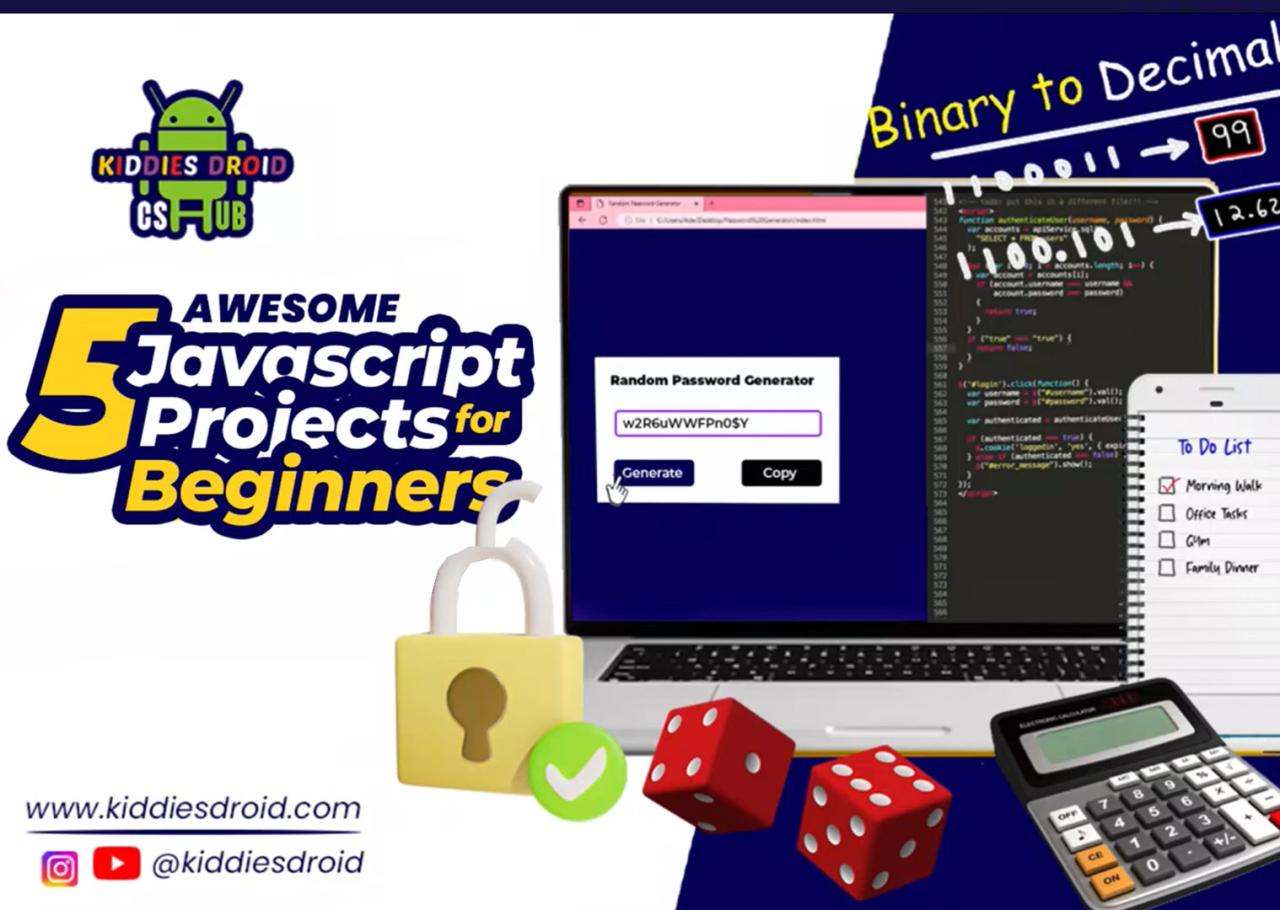
Ensuring that a JavaScript project functions correctly across different environments and browsers is fundamental to delivering a reliable user experience. Systematic testing and effective debugging are essential steps in the development process, helping identify and resolve issues early, thus enhancing code quality and maintainability. By adopting structured procedures and leveraging the right tools, developers can efficiently troubleshoot problems and ensure their projects perform seamlessly in diverse scenarios.Testing and debugging involve a combination of strategic planning, thorough validation, and the use of specialized tools.
These practices help uncover bugs, verify functionalities, and confirm that the project adheres to intended specifications. They also play a critical role in optimizing performance and ensuring compatibility across various browsers and devices, thus providing a consistent user experience regardless of the platform.
Procedures for systematically testing features and functionalities
Implementing a disciplined approach to testing involves a sequence of well-defined steps that cover all aspects of the project. This ensures comprehensive coverage and early detection of issues. Key procedures include:
- Creating detailed test cases based on project requirements, covering different user interactions and data inputs.
- Employing unit tests to verify individual functions and modules work correctly in isolation. Tools like Jest or Mocha facilitate automated testing of JavaScript functions.
- Conducting integration testing to ensure that combined components interact as expected, identifying issues arising from component interactions.
- Performing end-to-end testing that simulates real user scenarios to validate the overall functionality of the application. Selenium and Cypress are popular tools for such testing.
- Setting up continuous integration (CI) pipelines to automate testing whenever code changes are made, promoting early bug detection and quick feedback cycles.
Common debugging techniques and tools for troubleshooting issues
Debugging is an integral element of the development process, enabling developers to pinpoint and resolve issues effectively. The most common techniques involve analyzing error messages, inspecting code execution, and monitoring performance bottlenecks. Modern debugging tools have streamlined this process significantly:
- Browser Developer Tools: All major browsers include built-in development tools that allow real-time inspection of DOM, CSS, and JavaScript. Features such as breakpoints, watch expressions, and call stack inspection enable precise troubleshooting.
- Console Logging: Strategic placement of console.log statements helps track variable states and flow of execution, providing insights into where issues originate.
- Debugger Statements: Inserting debugger; commands in code pauses execution, enabling step-by-step debugging and detailed inspection of variables at specific points.
- Performance Profilers: Tools like Chrome DevTools performance tab help identify performance issues, memory leaks, and inefficient code patterns.
- Third-Party Debugging Tools: Extensions such as React Developer Tools or Vue.js devtools assist in debugging specific frameworks and libraries.
Validating code and ensuring cross-browser compatibility
Validation and compatibility checks are crucial to ensure that a JavaScript project functions correctly across different browsers and devices. This process involves:
- Using HTML and CSS validators to confirm adherence to web standards, reducing rendering inconsistencies.
- Employing cross-browser testing tools like BrowserStack or Sauce Labs to simulate the project in various environments, identifying compatibility issues.
- Implementing feature detection with libraries like Modernizr to ensure that specific functionalities are supported in target browsers, and providing fallback options when necessary.
- Writing clean, standards-compliant code and avoiding browser-specific hacks to promote broad compatibility.
- Testing responsive layouts and functionalities on different screen sizes and devices to verify usability and performance.
Troubleshooting checklists organized in table format
A well-structured troubleshooting checklist helps streamline the debugging process by providing a systematic approach to diagnosing common issues. The following table organizes key steps, potential causes, and corresponding solutions:
| Step | Possible Issue | Actions to Take | Tools/Resources |
|---|---|---|---|
| 1 | Console errors or warnings | Read error messages carefully, identify the source file and line number, and review related code blocks. | Browser console, Error stack traces, Debugger |
| 2 | Unexpected behavior or UI glitches | Inspect DOM elements and CSS styles to verify rendering and styling issues; check JavaScript event handling. | Browser DevTools Elements panel, CSS inspector |
| 3 | Performance issues | Use profiling tools to identify slow scripts or memory leaks; optimize inefficient code sections. | Chrome DevTools Performance tab, Timeline |
| 4 | Cross-browser inconsistencies | Test across multiple browsers, adapt code for compatibility, and employ feature detection techniques. | BrowserStack, Sauce Labs, Modernizr |
Showcasing and deploying completed projects

Effective presentation and deployment of JavaScript projects are essential steps in demonstrating skills, attracting potential employers, clients, or community members, and establishing a professional developer profile. Once a project is thoroughly developed and tested, the next phase involves sharing it with the world through deployment and creating an engaging portfolio that highlights your work.Showcasing completed projects not only highlights your technical abilities but also demonstrates your capacity to solve real-world problems.
Proper deployment ensures that your project is accessible, functional, and appealing to users, employers, or collaborators. Additionally, sharing projects within developer communities and on social platforms amplifies your reach, garners valuable feedback, and fosters professional connections.
Steps for deploying projects on hosting platforms or static sites
Deploying JavaScript projects on suitable hosting platforms is a straightforward process that transforms local projects into live applications accessible worldwide. Here are essential steps to follow:
- Select a hosting platform: For static sites, platforms like GitHub Pages, Netlify, or Vercel offer free and user-friendly options. For dynamic applications, consider cloud services such as Heroku or AWS.
- Prepare the project for deployment: Ensure the project is optimized, files are organized, and dependencies are correctly managed. Build the project if necessary (e.g., using build tools like Webpack or Parcel).
- Configure the deployment settings: Set up repository linkage, environment variables, and build commands according to the hosting platform’s guidelines.
- Deploy the project: Upload files via version control (e.g., Git), or directly deploy through the platform’s interface. Confirm that the deployment URL is working correctly.
- Test the live site: Verify responsiveness, functionality, and performance across different devices and browsers to ensure a seamless user experience.
Creating project portfolios with descriptive documentation
An impactful project portfolio serves as a professional showcase of your work, illustrating your skills, problem-solving approach, and growth as a developer. Including detailed documentation enhances understanding and provides context for each project.Key components of an effective portfolio include:
- Project summaries: Concise descriptions that Artikel the project’s purpose, target audience, and your role in its development.
- Technical details: Technologies used, architecture decisions, challenges faced, and solutions implemented.
- Visuals and demos: Screenshots, GIFs, or links to live sites demonstrating functionality and user experience.
- Code repositories: Links to GitHub or other version control platforms with clear README files explaining setup, usage, and contribution guidelines.
- Reflective insights: Lessons learned, areas for improvement, and future development plans provide depth and authenticity to your portfolio.
Including comprehensive documentation not only makes your projects accessible to others but also reflects your professionalism and attention to detail, which are highly valued in the development community.
Sharing projects within developer communities and social platforms
Distributing your projects through various channels expands your reach, invites constructive feedback, and fosters collaborative opportunities. Effective sharing strategies include:
- Participating in developer forums and communities: Platforms like Stack Overflow, Reddit’s r/javascript, Dev.to, and specialized Slack or Discord channels allow you to showcase your work, ask for feedback, and learn from others.
- Utilizing social media: Sharing project links, insights, and development journeys on Twitter, LinkedIn, or Facebook can attract followers, potential employers, or collaborators. Use relevant hashtags and engaging descriptions to increase visibility.
- Publishing blog posts or tutorials: Writing articles about your projects, challenges faced, and solutions provides added value to the community and demonstrates your expertise.
- Engaging in open-source contributions: Contributing to existing projects or open-sourcing your work invites community participation and feedback, enhancing your learning and reputation.
Templates for project presentation and feedback collection
Using standardized templates simplifies the process of presenting projects and gathering valuable input. Here are examples that can be customized to suit your needs:
| Project Presentation Template |
|---|
| Title: [Project Name] Description: A brief overview of the project’s purpose and features. Technologies: List of technologies, frameworks, and tools used. Challenges and Solutions: Key obstacles faced and how they were addressed. Demo Link: [URL] Repository: [GitHub link] Learnings: Insights gained and future goals. |
Encourage community members or clients to provide structured feedback by using forms or comment sections anchored to the project repository or demo site. This helps in continuous improvement and fosters engagement.
Continuous Learning Through Project Iteration
Engaging in continuous learning by iteratively improving and expanding existing JavaScript projects is essential for mastering the language and staying current with evolving technologies. This process encourages developers to refine their skills, adapt to new standards, and create more robust applications that meet real-world needs. By regularly revisiting projects, developers can deepen their understanding, enhance functionality, and enhance user engagement over time.Iterating on projects involves systematic updates that incorporate new features, optimize performance, and address user feedback.
It transforms static code into dynamic, scalable solutions capable of adapting to changing requirements. This ongoing cycle of development fosters problem-solving skills, encourages innovation, and ensures that projects remain relevant and efficient.
Methods for Iterating and Expanding Existing Projects
The continuous enhancement of projects begins with identifying areas for improvement and opportunities for expansion. Developers can:
- Review the current codebase to pinpoint bugs, inefficiencies, or outdated practices.
- Introduce new features that align with user needs or project goals, such as adding interactive elements or integrating APIs.
- Refactor code for better readability, maintainability, and performance, following best practices like modular design and ES6+ syntax.
- Implement responsive design improvements to enhance user experience across different devices.
- Document changes thoroughly to facilitate future updates and collaboration.
The iterative process should be guided by clear objectives, prioritizing updates that deliver the most value to users and stakeholders.
Techniques for Incorporating User Feedback
User feedback serves as a vital resource for refining JavaScript projects to better meet user expectations and requirements. Effective techniques include:
- Establishing feedback channels such as surveys, in-app prompts, or community forums.
- Analyzing feedback to identify recurring issues, feature requests, or usability concerns.
- Prioritizing feedback based on impact and feasibility, focusing on high-value enhancements.
- Implementing changes incrementally, testing their effects, and communicating updates to users.
- Maintaining a transparent development process that encourages ongoing user engagement and trust.
Incorporating user insights fosters a user-centered approach, leading to more intuitive and successful applications.
Strategies for Keeping Projects Updated with New JavaScript Features
Staying current with JavaScript advancements ensures projects leverage the latest capabilities for improved functionality and performance. Strategies include:
| Action | Description |
|---|---|
| Follow Official Documentation and Standards | Regularly review ECMAScript proposals, specifications, and updates from authoritative sources like MDN Web Docs. |
| Participate in Developer Communities | Engage with forums, webinars, and conferences where new features and best practices are discussed. |
| Utilize Linters and Transpilers | Use tools like ESLint or Babel to adopt modern syntax safely, ensuring backwards compatibility where necessary. |
| Refactor Code with New Syntax | Apply features such as async/await, destructuring, and modules to enhance code clarity and efficiency. |
Maintaining an active learning routine helps developers incorporate the latest innovations into their projects.
Documenting Lessons Learned and Future Development Plans
Documentation plays a crucial role in tracking project evolution, capturing insights, and guiding future efforts. It involves:
Recording lessons learned: Summarizing challenges encountered, solutions implemented, and best practices discovered during project iterations.
Planning for future development: Outlining upcoming features, technical upgrades, and strategic goals to ensure continuous progress.
Effective documentation includes:
- Detailed change logs and version histories
- Technical notes on implementation decisions
- Roadmaps for future enhancements
- Feedback logs and user insights
This organized approach facilitates ongoing learning, eases onboarding of new team members, and ensures the project’s long-term success.
Closing Notes
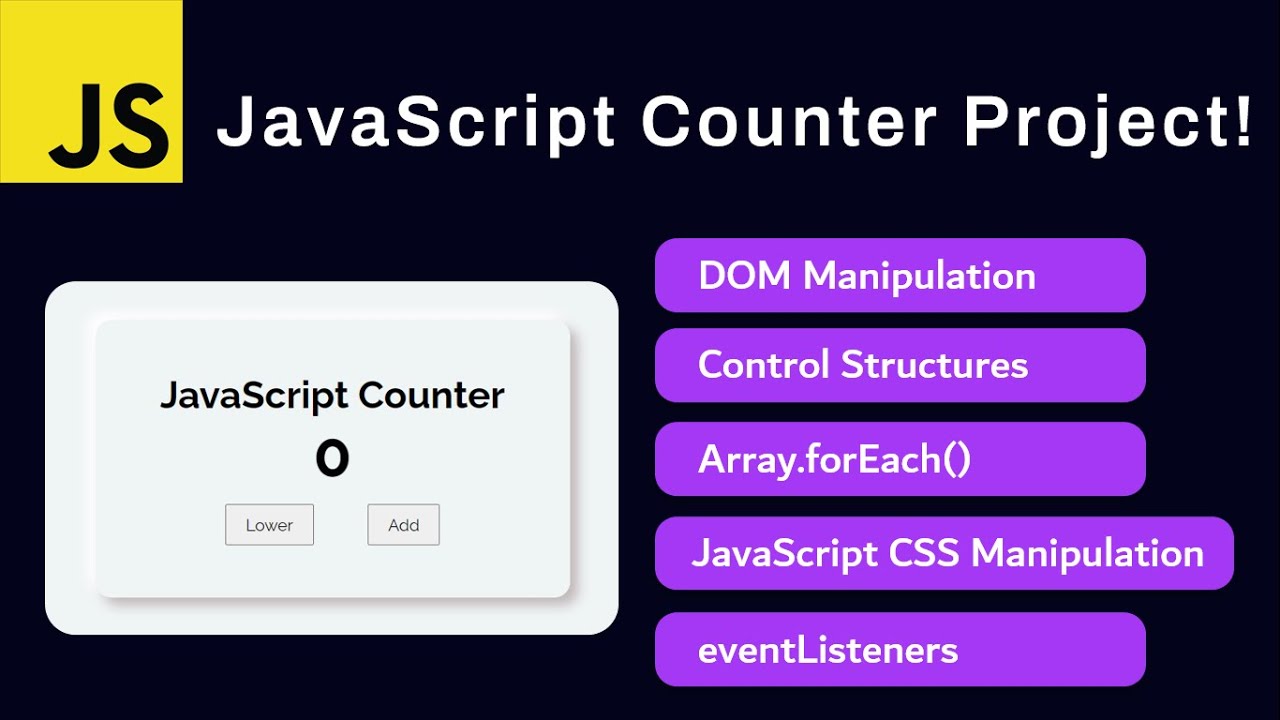
In summary, mastering JavaScript through real-world projects offers a dynamic pathway to develop robust skills and confidence. As you iterate, seek feedback, and stay updated with new features, your proficiency will grow steadily. Embracing practical projects transforms learning into an engaging journey toward becoming a skilled developer.