Learning JavaScript for free using online resources offers a flexible and accessible pathway to mastering essential web development skills. Whether you are a beginner or looking to deepen your understanding, leveraging reputable platforms, tutorials, and community forums can significantly enhance your learning journey. This guide aims to provide a comprehensive overview of effective strategies, top resources, and practical steps to help you become proficient in JavaScript without any cost.
Overview of Learning JavaScript for Free Online
JavaScript is an essential programming language in modern web development, powering interactive features, dynamic content, and enhanced user experiences on websites and web applications. Its widespread adoption by developers and companies alike underscores its importance in creating responsive, engaging digital platforms. Learning JavaScript through free online resources offers an accessible pathway for beginners and experienced programmers to acquire valuable skills without financial constraints.
These resources democratize education, allowing learners worldwide to develop expertise at their own pace and convenience.
Effective utilization of free online courses, tutorials, and community forums involves strategic planning and consistent engagement. Beginning with reputable platforms ensures access to accurate and high-quality content. Supplementing structured courses with community participation enhances understanding through real-world problem solving and peer feedback. Regular practice, project-based learning, and active involvement in developer communities foster deeper mastery of JavaScript concepts, ultimately leading to competence and confidence in building web solutions.
Reputable Free Platforms for JavaScript Learning
Numerous online platforms provide comprehensive, free resources suitable for learners at different levels. The following table summarizes some of the most trusted and responsive platforms designed to facilitate effective JavaScript education:
| Platform | Type of Resources | Target Audience | Special Features |
|---|---|---|---|
| freeCodeCamp | Interactive tutorials, projects, and certifications | Beginners to intermediate developers | Hands-on coding exercises, real-world projects, active community forums |
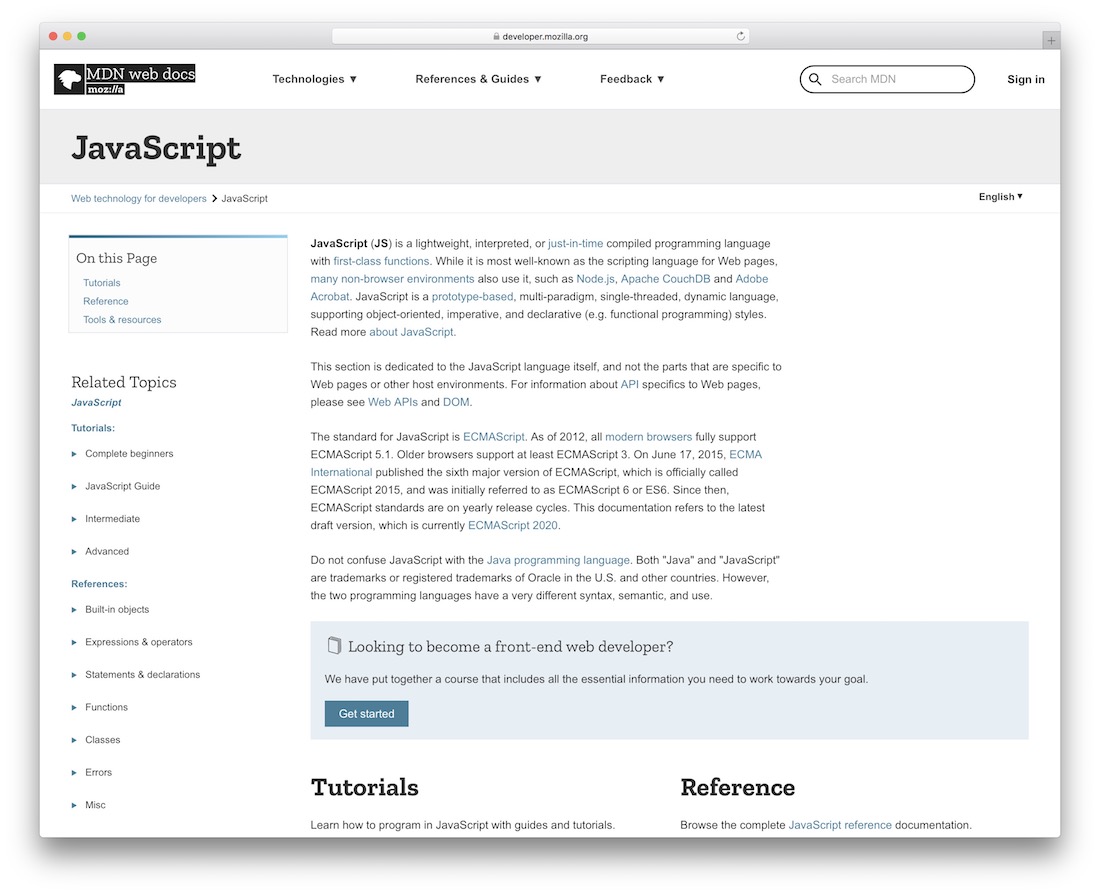
| Mozilla Developer Network (MDN) | Comprehensive documentation, tutorials, and guides | All skill levels, especially those seeking in-depth understanding | Authoritative reference, latest web standards, detailed explanations |
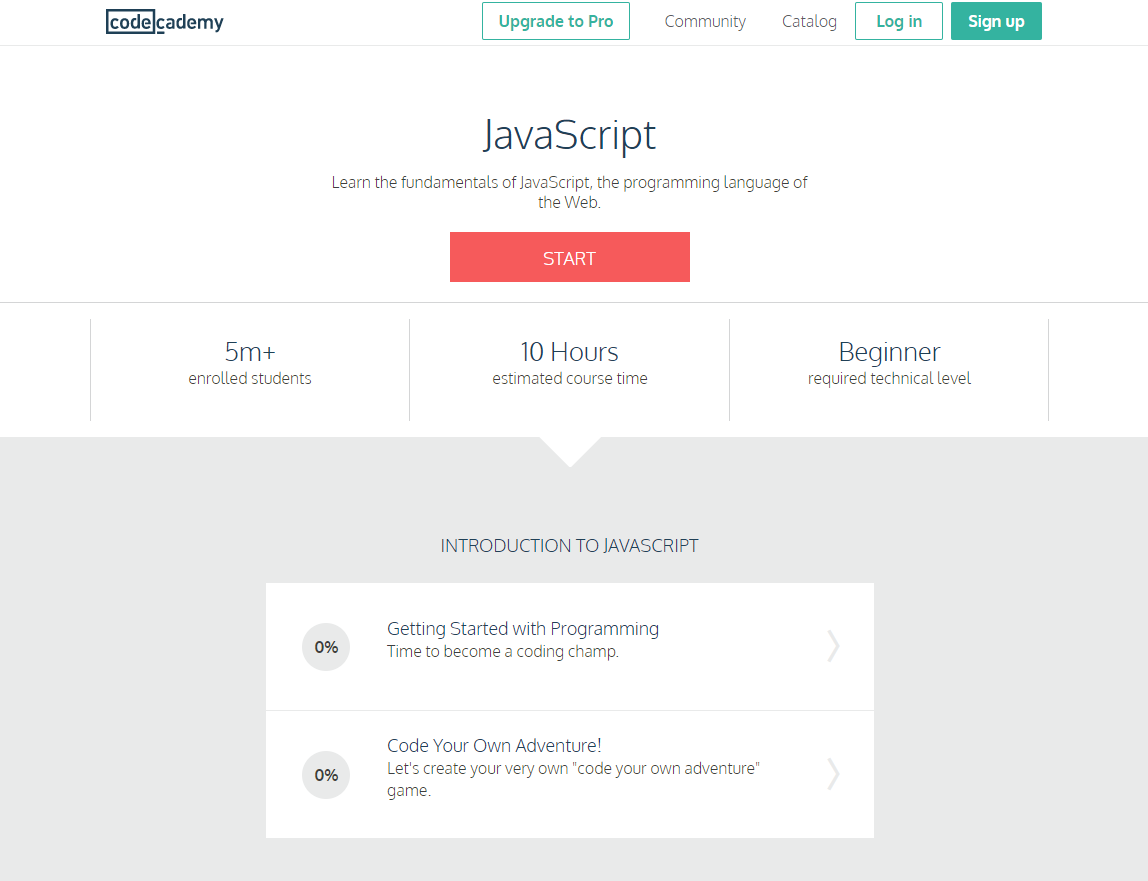
| Codeacademy | Interactive courses, quizzes, and projects | Beginners to advanced learners | Progress tracking, interactive coding environment, community support |
| JavaScript.info | In-depth tutorials and articles on JavaScript topics | Intermediate learners to advanced programmers | Structured learning paths, practical examples, updated content |
Step-by-Step Learning Path for Beginners
Embarking on JavaScript learning journey can be both exciting and overwhelming for beginners. A well-structured roadmap ensures steady progress, clear objectives, and sustained motivation. By following a systematic sequence of topics and practical exercises, learners can build confidence and competence, transforming theoretical knowledge into real-world skills.
This comprehensive learning path is designed to guide newcomers from fundamental concepts to advanced programming techniques, ensuring a gradual and effective mastery of JavaScript. It emphasizes organized study schedules, consistent practice, and progress tracking to make the learning process efficient and enjoyable.
Fundamental Concepts and Basic Syntax
Start with understanding the core building blocks of JavaScript. Grasping these foundations is essential for developing problem-solving skills and writing functional scripts. Focus on learning variables, data types, operators, and control flow statements such as conditionals and loops.
- Learn about variables and constants using
var,let, andconst. - Understand basic data types like strings, numbers, booleans, null, and undefined.
- Practice using operators for arithmetic, comparison, and logical operations.
- Master control flow with if-else statements and switch cases.
- Implement loops such as
for,while, anddo-whileto perform repetitive tasks.
Functions and Event Handling
Functions are the building blocks of modular and reusable code. Learning how to define, invoke, and pass parameters to functions is vital. Additionally, understanding event handling allows interaction with webpage elements, laying the groundwork for dynamic web applications.
- Define functions using function declarations and expressions.
- Explore parameters and return values to create flexible functions.
- Practice anonymous functions and arrow functions for concise syntax.
- Implement event listeners to respond to user actions such as clicks, mouse movements, and form submissions.
- Manipulate DOM elements dynamically in response to events.
Document Object Model (DOM) Manipulation
Understanding the DOM is crucial for creating interactive and responsive web pages. Learn how JavaScript interacts with HTML elements, allowing real-time updates and user engagement.
- Use methods like
getElementById,getElementsByClassName, andquerySelectorto access DOM elements. - Alter element content using
innerHTML,innerText, andtextContent. - Change styles dynamically with
styleproperty and class manipulation. - Create new elements and insert them into the DOM tree.
- Remove elements and manage event propagation for complex interactions.
Asynchronous Programming and API Integration
Modern web development often involves handling asynchronous operations, such as data fetching and server communication. Developing an understanding of asynchronous programming and working with APIs enables developers to build dynamic, data-driven applications.
- Learn about callbacks to handle asynchronous functions.
- Master Promises for cleaner asynchronous code and better error handling.
- Utilize async/await syntax for more readable asynchronous logic.
- Practice fetching data from APIs using
fetch(). - Handle responses and errors effectively to ensure robust applications.
Organizing Learning Schedule and Tracking Progress
Effective learning requires discipline and organization. Establishing a consistent schedule and tracking achievements helps maintain motivation and identify areas needing improvement. Use tools such as scheduling planners, progress journals, or online tracking platforms.
- Create a weekly timetable allocating specific hours for studying tutorials, practicing coding exercises, and reviewing concepts.
- Set clear milestones, e.g., completing a tutorial series, building a small project, or mastering a particular topic.
- Maintain a learning journal or digital log to record completed lessons and encountered challenges.
- Utilize online coding platforms that offer progress tracking features, such as freeCodeCamp, Codecademy, or JSFiddle.
- Regularly assess understanding through quizzes, mini-projects, or peer code reviews to reinforce learning and identify gaps.
Building Projects with Free Resources
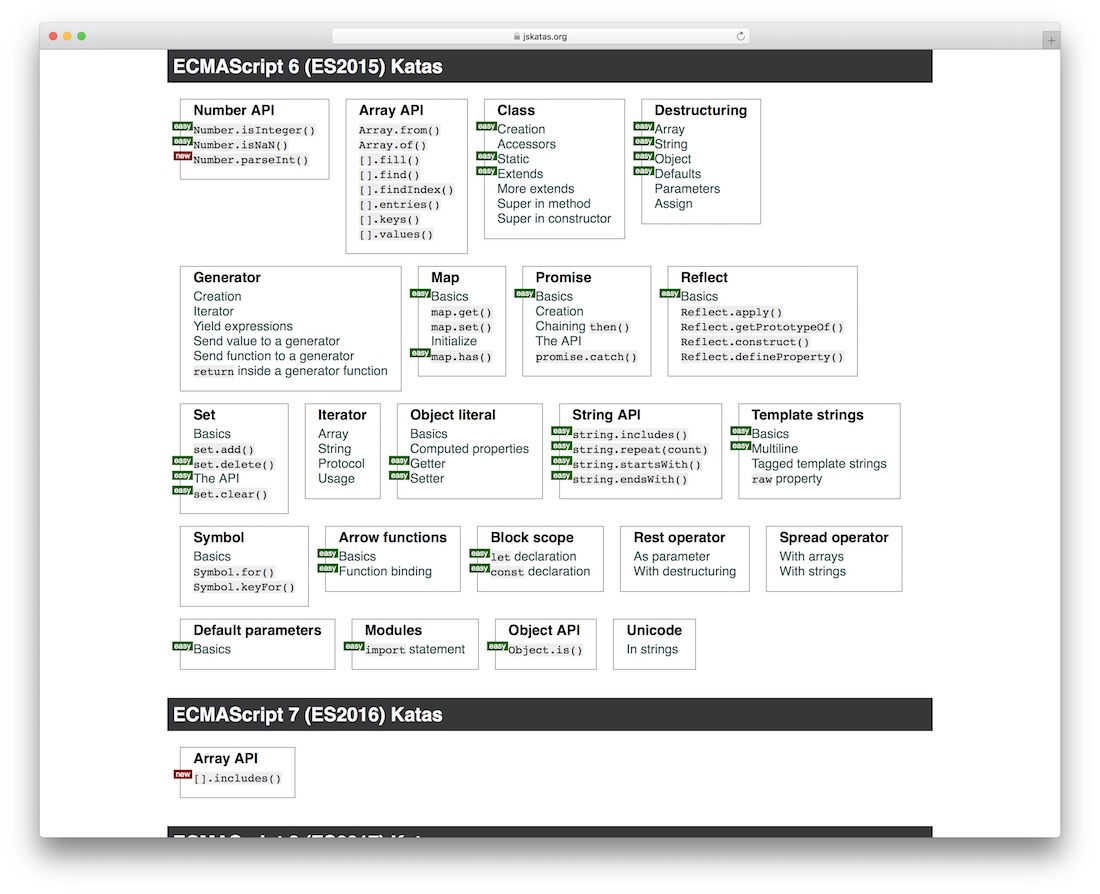
Applying your acquired JavaScript skills through real-world projects is a crucial step in solidifying your understanding and building a compelling portfolio. Utilizing free tools and tutorials available online allows you to gain practical experience without financial investment, making your learning journey both accessible and effective.
Engaging in project development not only enhances your coding abilities but also demonstrates your capability to prospective employers or clients. It enables you to explore different aspects of JavaScript, from DOM manipulation to basic server interactions, while adapting to various project requirements. By starting with simple projects and gradually increasing complexity, you can develop confidence and a clear pathway toward becoming a proficient JavaScript developer.
Applying Learned Skills to Real-World Projects
Transforming theoretical knowledge into tangible applications involves selecting projects that match your current skill level and interests. Online tutorials and free development environments provide step-by-step guidance and instant testing capabilities, streamlining the process of building projects from scratch. Popular platforms like GitHub and CodePen serve as repositories for your work, allowing you to showcase your projects and collaborate with others.
Beginner-friendly projects serve as excellent entry points, helping you understand core programming concepts in a practical context. As you grow more confident, you can explore more complex ideas, integrating APIs or backend services. This iterative process of building, testing, and refining projects fosters continuous learning and adaptation.
Ideas for Beginner Projects
Starting with manageable projects enables you to practice essential JavaScript skills, such as event handling, data manipulation, and DOM interactions. Personal projects often serve as practical showcases of your abilities and can be customized to reflect your interests or career goals. Here are some popular beginner project ideas with suggested resource links to facilitate your development process:
| Project Idea | Required Skills | Resource Links |
|---|---|---|
| Personal Portfolio Website | HTML, CSS, JavaScript basics, responsive design | FreeCodeCamp Portfolio Tutorial |
| To-Do List Application | DOM manipulation, event handling, local storage | MDN To-Do List Guide |
| Simple Quiz Game | Arrays, functions, event listeners | JavaScript.info Quiz Tutorial |
| Weather App Using API | Fetch API, JSON parsing, asynchronous JavaScript | OpenWeatherMap API Documentation |
| Calculator | Event handling, arithmetic operations, DOM updates | MDN Calculator Tutorial |
When choosing projects, consider browsing coding communities such as GitHub or Stack Overflow for inspiration and current trending ideas. Modifying existing tutorials to suit your personal preferences encourages problem-solving skills and creativity, making your learning process more engaging and tailored to your specific interests.
Tips for Staying Motivated and Consistent
Maintaining motivation and consistency is essential when learning JavaScript through free online resources. As with any skill, regular practice and enthusiasm are key drivers of progress. Developing effective strategies to stay committed will help you overcome challenges, avoid burnout, and ensure continuous improvement on your coding journey.Sustaining your learning routine requires deliberate effort and strategic planning. By integrating motivational techniques, leveraging community support, setting clear goals, and tracking your achievements, you can create a sustainable and rewarding learning experience.
These approaches help transform a daunting task into an engaging and manageable process, fostering both confidence and competence in JavaScript development.
Motivational Strategies for a Steady Learning Routine
To keep your enthusiasm high and your progress steady, consider implementing these motivational strategies:
- Set specific, achievable goals: Break down your learning objectives into small, manageable milestones. For example, aim to complete a particular tutorial, build a simple project, or master a specific JavaScript concept each week. Clearly defined goals provide direction and a sense of accomplishment upon completion.
- Create a consistent schedule: Designate dedicated time slots each day or week for learning JavaScript. Consistency builds habit, making it easier to stay committed over the long term. Even 30 minutes daily can lead to substantial progress.
- Celebrate milestones: Recognize and reward your achievements, such as successfully completing a project or understanding a complex topic. Celebrations reinforce positive motivation and encourage continued effort.
- Stay inspired with real-world examples: Follow blogs, podcasts, or tutorials that showcase practical applications of JavaScript. Seeing tangible results and innovative uses of coding can reignite your passion to learn.
- Maintain a growth mindset: Embrace mistakes as learning opportunities rather than setbacks. Viewing challenges as part of the learning process helps sustain perseverance and resilience during difficult phases.
Engaging with Online Communities and Participating in Coding Challenges
Joining online communities and taking part in coding challenges are powerful ways to stay motivated and enhance your skills:
Connecting with fellow learners and experienced developers provides moral support, feedback, and opportunities for collaboration. Collaborative environments foster accountability and expose you to diverse perspectives, making learning more dynamic and less isolating.
| Strategies to Engage Effectively |
|---|
|
Active participation in these communities and challenges improves your practical understanding, exposes you to best practices, and keeps your motivation high through social interaction and achievement recognition.
Setting and Tracking Achievable Goals
Clear goal setting and progress tracking are fundamental to maintaining motivation:
Establishing specific objectives helps focus your efforts and provides measurable targets to aim for. Break long-term aspirations, such as becoming proficient in JavaScript, into smaller, actionable steps like mastering functions, understanding asynchronous programming, or building a particular project.
- Define short-term goals: These could include completing a series of tutorials, building a small project, or mastering certain concepts within a set timeframe.
- Use tools to track progress: Utilize digital tools like spreadsheets, habit-tracking apps, or learning journals to record completed lessons, projects, and skills acquired. Visual representations of progress, such as charts or checklists, motivate continued effort.
- Reflect on achievements: Regularly reviewing your progress reinforces a sense of accomplishment. Create a habit of noting what you’ve learned, challenges overcome, and skills gained at regular intervals, such as weekly or monthly.
- Adjust goals as needed: Flexibility ensures your goals remain realistic and aligned with your evolving skills. Celebrating milestones, like deploying a functional web app or passing a coding challenge, encourages ongoing engagement.
“Progress is progress, no matter how small.”
By systematically setting, pursuing, and celebrating your goals, you reinforce your motivation, build confidence, and maintain a consistent learning trajectory in JavaScript development.
Closing Summary

In conclusion, utilizing free online resources for learning JavaScript presents an excellent opportunity to build a solid foundation and advance your skills at your own pace. With consistency, engagement in projects, and active participation in communities, you can achieve your programming goals and open doors to numerous web development opportunities.