Understanding how to debug WordPress website plugin issues is essential for maintaining a secure and smoothly functioning site. Plugins are invaluable tools that extend your website’s capabilities, but they can also introduce conflicts, errors, or performance problems if not managed properly. Learning effective troubleshooting techniques helps you identify and resolve these issues efficiently, minimizing downtime and enhancing user experience.
This guide walks you through the steps to diagnose common plugin problems, utilize debugging tools, and implement best practices for maintaining a healthy WordPress environment. Whether you’re a beginner or an experienced developer, mastering these skills will empower you to keep your website running optimally.
Understanding Common WordPress Plugin Issues
Plugins are essential components of a WordPress website, enabling a wide range of functionalities from optimization to e-commerce capabilities. However, despite their usefulness, plugins can sometimes introduce problems that compromise website performance, security, and user experience. Recognizing and understanding these common issues is the first step toward effective troubleshooting and maintaining a healthy website environment.
Plugin-related problems often manifest through a variety of symptoms that can impact both the backend management and the front-end display of a website. These issues may arise from conflicts between plugins, outdated code, incompatible versions, or server resource limitations. Addressing these challenges requires a clear understanding of typical problems encountered, their symptoms, and their potential impact on the website’s integrity.
Common Plugin Problems and Their Symptoms
Identifying plugin issues involves observing specific signs that suggest conflicts or errors. These symptoms can range from minor glitches to more severe disruptions affecting website functionality and security.
- Website Crashes or White Screen of Death: When a plugin conflicts with the core WordPress files or other plugins, it can cause the entire website to become inaccessible, displaying a blank white page.
- Slow Website Performance: Excessive or poorly coded plugins may consume excessive server resources, leading to slow page loading times and degraded user experience.
- Error Messages: Common PHP errors, warnings, or plugin-specific error messages indicate issues either with plugin code or compatibility problems.
- Broken Site Elements: Features such as contact forms, sliders, or menus might not function correctly if associated plugins malfunction or conflict with other scripts.
- Unintended Front-End Changes: Unexpected layout shifts, missing images, or styling issues can arise from plugins that override theme styles or scripts improperly.
- Security Vulnerabilities: Outdated or poorly maintained plugins are frequent targets for hackers, which can lead to compromised website security.
These symptoms highlight the importance of regular monitoring and maintenance. Faulty plugins not only diminish website performance but can also pose significant security risks, such as allowing malicious access or data breaches. Moreover, they negatively affect the user experience by causing confusion, frustration, or loss of trust in the website’s reliability.
Proper management and timely troubleshooting of plugin issues are vital for ensuring a secure, efficient, and user-friendly WordPress website. Regular updates, conflict testing, and using reputable plugins are best practices to mitigate potential problems.
Preparing for Debugging Plugins
Efficiently troubleshooting plugin issues in WordPress begins with thorough preparation. Establishing a safety net and understanding the foundational steps streamline the debugging process, minimize potential risks, and ensure that your website remains stable throughout troubleshooting activities. Proper preparation not only safeguards your site’s data but also provides a clear roadmap for identifying and resolving conflicts or errors caused by plugins.A systematic approach to readiness involves creating comprehensive backups, enabling debugging modes, and setting up a controlled environment where changes can be tested without disrupting the live site.
This preparation phase is crucial for maintaining website integrity, facilitating faster diagnosis, and avoiding data loss or prolonged downtime during troubleshooting.
Creating a Backup of the Website
The first essential step before initiating plugin troubleshooting is to create a complete backup of your WordPress site. This ensures that, regardless of the troubleshooting steps taken, you can restore your website to its original state if needed. Backups should include all website files, the database, and any custom configurations.To generate a reliable backup:
- Use reputable backup plugins such as UpdraftPlus, BackupBuddy, or Duplicator, which provide automated scheduling and easy restoration options.
- Ensure the backup includes both the WordPress files (themes, plugins, uploads) and the database, as the latter contains all post content, settings, and plugin configurations.
- Store backups in a secure, off-site location such as cloud storage services like Google Drive, Dropbox, or dedicated backup servers. This prevents data loss in case of server failure.
- Verify the integrity of backups periodically by restoring them on a staging environment or local server to confirm they are functional and complete.
Maintaining recent backups allows quick recovery from unintended issues or errors that might occur during troubleshooting, thereby reducing website downtime and potential revenue loss.
Enabling Debugging Mode in WordPress
Activating debugging mode in WordPress is a critical step for identifying plugin conflicts and errors. It provides detailed error messages that pinpoint problematic code or compatibility issues, enabling precise diagnosis.To enable debugging:
- Access your website’s root directory via FTP or File Manager provided by your hosting provider.
- Locate the
wp-config.phpfile in the root directory of your WordPress installation. - Make a backup of
wp-config.phpbefore editing to prevent accidental data loss. - Open the file and find the line:
/* That's all, stop editing! Happy publishing. - / - Insert the following lines above this comment:
define('WP_DEBUG', true);and, optionally, for detailed error logging,define('WP_DEBUG_LOG', true);anddefine('WP_DEBUG_DISPLAY', false);. - Save changes and upload the file back to the server, if editing locally.
With debugging enabled, WordPress logs errors and warnings to a debug log file located in wp-content/debug.log. This file can be reviewed to identify specific plugin-related issues, making troubleshooting more efficient and targeted.
Deactivating All Plugins Rapidly
Identifying whether a plugin conflict is causing issues can be expedited by temporarily deactivating all plugins. This method helps determine if the problem resides within plugin interactions or elsewhere.To deactivate all plugins quickly:
- Access your website files via FTP or hosting File Manager.
- Navigate to
wp-contentdirectory. - Rename the
pluginsfolder to something likeplugins_backup. This action deactivates all plugins simultaneously. - Check your website; if problems resolve, the conflict is likely plugin-related.
- Revert the folder name to
pluginsto reactivate plugins one by one or in groups for further testing.
This approach is faster than deactivating plugins individually through the WordPress admin dashboard, especially when multiple plugins are involved. It provides a clear pathway to isolate problematic plugins and proceed with targeted troubleshooting.
Switching to a Default Theme
Themes can sometimes cause conflicts that resemble plugin issues. To rule out theme-related problems, switching to a default WordPress theme like Twenty Twenty-Three ensures that the issue is not theme-dependent.The process involves:
- Access the WordPress admin dashboard.
- Navigate to Appearance > Themes.
- If the default theme is not active, activate it directly from the themes menu.
- If access to the admin area is restricted due to errors, revert to the default theme manually via FTP:
- Connect to your website’s server.
- Navigate to
wp-content/themes. - Rename the current theme folder to disable it.
- Ensure the default theme folder (e.g.,
twentytwenty-three) remains untouched.
- Verify if the plugin issues persist after switching themes.
Switching to a default theme isolates the environment, ensuring that any conflicts are more likely linked to plugins rather than theme code. This step simplifies debugging by narrowing down the source of issues, facilitating more precise resolution strategies.
Diagnosing Plugin Conflicts
Effectively diagnosing plugin conflicts is a critical step in maintaining a healthy WordPress website. Conflicts between plugins can lead to various issues such as site crashes, unexpected behavior, or reduced performance. Systematic troubleshooting helps identify and resolve these conflicts efficiently, minimizing downtime and ensuring a smooth user experience.
By methodically deactivating and reactivating plugins, analyzing error logs, and utilizing specialized debugging tools, website administrators can pinpoint problematic plugins with greater accuracy. This structured approach not only resolves current issues but also prevents similar conflicts in the future, safeguarding the site’s stability and functionality.
Systematic Deactivation and Observation
Deactivating plugins one at a time allows for controlled observation of the website’s behavior. This process helps identify whether a specific plugin is causing the issue. It is advisable to start with recently installed or updated plugins, as they are more likely to introduce conflicts.
- Deactivate all plugins temporarily to verify if the issue persists. If the problem disappears, gradually reactivate plugins one by one.
- After each reactivation, thoroughly test the website to observe any changes or re-emergence of issues.
- Maintain a record of each step to track which plugin’s activation correlates with the problem’s return.
This step-by-step approach ensures a controlled environment, making it easier to isolate the conflicting plugin efficiently.
Creating a Sequence of Plugin Reactivation
Establishing a clear sequence for reactivating plugins provides an organized framework for pinpointing conflicts. The order of activation can reveal interactions between plugins that are not problematic individually but cause issues when combined.
| Step | Action | Expected Outcome |
|---|---|---|
| 1 | Reactivate the first plugin | Check site functionality after activation |
| 2 | Reactivate the second plugin | Monitor for conflicts or errors |
| 3 | Continue sequential reactivation of remaining plugins | Observe when the issue reappears or worsens |
| 4 | Identify the plugin(s) responsible | Determine which plugin(s) cause conflicts when active together |
Maintaining a detailed log of each reactivation step and corresponding observations enhances troubleshooting accuracy.
Checking Error Logs for Plugin-Related Issues
Error logs serve as a vital resource for diagnosing plugin conflicts, providing detailed insights into underlying problems. They record PHP errors, warnings, and notices that occur during plugin activation or website operation.
“Accessing and analyzing error logs can reveal specific conflicts, deprecated functions, or compatibility issues linked to problematic plugins.”
To check error logs:
- Access server error logs via hosting control panels such as cPanel or Plesk.
- Enable WordPress debugging mode by adding
define('WP_DEBUG', true);in the wp-config.php file, which displays errors directly on the website or logs them to a dedicated file. - Review the logs for entries that reference plugin files, functions, or error messages indicating conflicts or incompatibilities.
Careful analysis of these logs can highlight specific plugins or code snippets responsible for issues, guiding targeted troubleshooting efforts.
Utilizing Debugging Plugins and Tools
Specialized debugging plugins and tools facilitate the detection of plugin conflicts by providing real-time insights and comprehensive diagnostic information. They simplify the process of pinpointing problematic interactions between plugins.
- Query Monitor: Offers detailed debugging information including database queries, HTTP requests, PHP errors, hooks, and actions. It highlights conflicts or performance bottlenecks caused by specific plugins.
- Health Check & Troubleshooting: Allows users to temporarily disable plugins and switch themes without affecting visitors, helping to identify conflicts in a controlled environment.
- Debug Bar: Adds a debug menu to the admin bar, displaying PHP errors, deprecated functions, and more, assisting in pinpointing problematic code.
Using these tools in conjunction with manual deactivation and log analysis enhances the accuracy and efficiency of diagnosing plugin conflicts, leading to more effective resolutions and improved site stability.
Troubleshooting Specific Plugin Errors
Encountering specific plugin errors is a common aspect of maintaining a WordPress website. These errors can stem from various causes, including incompatibilities, code conflicts, or server issues. Recognizing the nature of these errors and understanding how to methodically address them can significantly reduce downtime and improve site stability.
Understanding and resolving plugin-specific errors requires familiarity with typical error messages, appropriate troubleshooting steps for compatibility issues, and the ability to identify PHP errors and database problems linked to plugins. Applying a structured approach to these issues ensures efficient resolution and maintains the overall health of your WordPress site.
Common Error Messages and Their Meanings
Understanding the typical error messages associated with WordPress plugins is essential for effective troubleshooting. These messages often indicate the underlying problem, guiding the administrator towards an appropriate solution.
| Error Message | Meaning |
|---|---|
| “Plugin failed to activate” | This usually indicates a compatibility issue with the current WordPress version or missing dependencies. |
| “Call to undefined function” | Occurs when a plugin calls a function that isn’t available, often due to incomplete plugin installation or conflicts with other plugins. |
| “HTTP error” or “503 Service Unavailable” | May indicate server overload, plugin conflicts causing server errors, or issues with third-party API integrations. |
| “Fatal error: Allowed memory size exhausted” | Indicates that a plugin is consuming excessive server memory, often due to poorly optimized code or incompatibility. |
| “Database connection error” | Signifies problems with database connectivity, which could be linked to a plugin that manages database operations or corrupt database tables. |
Note: Regularly reviewing error logs and understanding these messages enhances proactive troubleshooting efforts.
Resolving Plugin Compatibility Issues Post-Update
Plugin updates can sometimes introduce compatibility issues with your current WordPress version or other installed plugins. Addressing these concerns is vital to maintain site functionality and security.
- Verify Compatibility: Check the plugin’s official documentation or WordPress repository page for compatibility information with your current WordPress version.
- Update or Rollback: If a plugin is incompatible after an update, consider rolling back to a previous stable version using a plugin like WP Rollback or manually restoring from backups.
- Test in Staging Environment: Before applying updates to your live site, test them in a staging environment to identify conflicts without affecting your visitors.
- Check for Conflicts: Deactivate all plugins except the one in question, then reactivate them one by one to identify conflicting plugins.
- Consult Developer Support: If compatibility issues persist, reach out to the plugin developer with detailed error logs and your environment specifications for tailored assistance.
Identifying and Fixing PHP Errors Caused by Plugins
PHP errors manifest as fatal errors, warnings, or notices and often appear on the site or error logs when a plugin introduces problematic code. Detecting and fixing these errors is crucial for restoring functionality.
- Enable Debugging Mode: Add
define('WP_DEBUG', true);to the wp-config.php file to display errors on the site, or setWP_DEBUG_LOGto log errors to a file. - Review Error Logs: Access server error logs via hosting control panels or the
wp-content/debug.logfile to identify the specific plugin and error message. - Isolate the Faulty Plugin: Deactivate recently updated or problematic plugins to determine if the error persists.
- Update or Reinstall: Ensure the plugin is the latest version and reinstall if necessary, as corrupted files can cause PHP errors.
- Code Fixes: For custom or poorly coded plugins, review the error message for the problematic file and line number, then correct the syntax or code issues if you have development expertise.
Important: Avoid editing plugin files directly in a live environment. Always back up before making code changes or updates.
Resolving Database Issues Linked to Plugin Malfunction
Many plugins interact heavily with the database, and malfunction can result in corrupted tables, orphaned data, or performance degradation. Addressing such issues helps maintain data integrity and site performance.
- Backup Database: Prior to troubleshooting, create a complete database backup to prevent data loss during repairs.
- Identify Inconsistent Data: Use phpMyAdmin or database management tools to check for orphaned records, duplicate entries, or corrupted tables linked to the plugin.
- Repair Tables: Use the database repair feature provided by WordPress or execute SQL commands such as
REPAIR TABLE table_name;to fix corrupted tables. - Optimize Database: Run optimization commands to improve performance, especially after resolving corruption issues.
- Use Plugin-Specific Tools: Some plugins offer built-in options or dedicated tools to repair or reset data, which should be utilized following the plugin’s documentation.
- Reinstall or Deactivate Plugin: If persistent issues occur, consider deactivating or reinstalling the plugin after ensuring database integrity.
Tip: Regular database maintenance, including optimization and cleanup, minimizes the likelihood of plugin-related database issues.
Using Developer Tools and Debugging Techniques
Effectively troubleshooting WordPress plugin issues often involves leveraging both browser developer tools and server-side debugging techniques. These tools empower developers to identify front-end errors, track detailed logs, and analyze conflicts that may not be immediately apparent. Mastery of these methods can significantly streamline the debugging process, saving time and minimizing downtime for website visitors.
This section explores how to utilize browser developer tools to diagnose front-end plugin errors, enable WordPress debugging features for comprehensive error tracking, analyze server error logs specific to plugins, and employ testing methods to detect deprecated functions or conflicts within plugin code.
Utilizing Browser Developer Tools to Identify Front-End Plugin Errors
Browser developer tools are invaluable for pinpointing front-end issues caused by plugins, such as JavaScript errors, CSS conflicts, or broken elements. These tools, available in browsers like Chrome, Firefox, and Edge, allow inspecting page elements, monitoring network requests, and viewing console logs in real-time.
- Open the website page where the plugin-related issue occurs.
- Access developer tools by pressing F12 or right-clicking on the page and selecting “Inspect”.
- Navigate to the Console tab to review JavaScript errors or warnings. Errors highlighted here can indicate conflicts or deprecated scripts caused by plugins.
- Use the Elements tab to inspect the DOM structure, identifying if plugin-generated elements are rendering correctly or if CSS styles are conflicting.
- Check the Network tab to analyze failed resource loads, such as missing scripts or stylesheet files, which may result from plugin misconfigurations or conflicts.
By systematically examining console logs and network activity, developers can quickly identify issues such as script errors, failed AJAX calls, or style conflicts introduced by plugins. This front-end analysis complements back-end debugging, offering a comprehensive view of plugin-related problems.
Enabling WP_DEBUG_LOG and WP_DEBUG_DISPLAY for Detailed Error Tracking
WordPress provides built-in debugging constants that, when enabled, log detailed errors and warnings related to plugins. Proper configuration of these constants is crucial for developers troubleshooting plugin conflicts or errors during development or staging.
- Open the wp-config.php file located in the root directory of the WordPress installation.
- Add or modify the following lines to enable error logging and display:
define(‘WP_DEBUG’, true);define(‘WP_DEBUG_LOG’, true);define(‘WP_DEBUG_DISPLAY’, false);
Setting WP_DEBUG to true activates debugging mode. WP_DEBUG_LOG directs error messages to a log file located in wp-content/debug.log, while WP_DEBUG_DISPLAY set to false prevents errors from displaying on the front end, ensuring a cleaner user experience.
Review the debug.log file periodically for error messages related to plugins. These logs can reveal deprecated functions, fatal errors, or warnings that point to problematic plugin code or conflicts.
Analyzing Server Error Logs Specific to Plugin Issues
Server error logs offer an additional layer of troubleshooting by capturing critical errors that occur at the server level, such as PHP fatal errors triggered by plugins. Accessing these logs can uncover issues that are not visible through browser or WordPress logs alone.
- Identify the server environment—cPanel, Plesk, or command-line access—used to host the website.
- Locate the error log files, often found in directories like
/var/log/apache2/error.log,/var/log/nginx/error.log, or accessible through hosting control panels. - Search the logs for recent entries related to plugin folders or specific error messages indicating plugin failures, such as deprecated function calls or memory exhaustion errors.
- Correlate server errors with recent plugin updates or installations to identify causative factors.
For example, a PHP fatal error mentioning a deprecated function within a plugin’s codebase suggests the need for plugin updates or code modifications. Regular log analysis helps preemptively identify issues before they impact site functionality.
Testing Plugin Code and Identifying Deprecated Functions or Conflicts
Refining plugin code and verifying compatibility involve testing procedures such as code inspection, function deprecation checks, and conflict detection. These methods help maintain site stability and ensure plugin interoperability.
- Use code editors with syntax highlighting and linting features to review plugin files for deprecated PHP functions or outdated JavaScript methods.
- Implement static analysis tools, such as PHP_CodeSniffer with WordPress coding standards, to detect deprecated functions and potential conflicts.
- Temporarily deactivate conflicting plugins and re-enable them one at a time to observe their impact, identifying specific conflicts.
- Utilize debugging plugins or tools like Query Monitor to monitor database queries, hooks, and errors during plugin activation or execution.
- Conduct unit tests and sandbox testing for custom plugin development, ensuring code adheres to current WordPress standards and is free of conflicts.
By systematically reviewing plugin code, utilizing static analysis, and performing conflict testing, developers can identify deprecated functions that may cause errors or conflicts with other plugins, allowing for proactive resolution and smoother site operation.
Resolving Plugin Compatibility and Update Issues
Maintaining compatibility between plugins and the core WordPress platform is essential for website stability and security. During troubleshooting, it is crucial to identify whether plugin conflicts stem from outdated or incompatible versions. By systematically verifying version compatibility and managing updates, website administrators can prevent potential issues before they escalate, ensuring a seamless user experience and a secure environment.
Addressing plugin compatibility and update issues involves a combination of proactive checks and cautious update strategies. This process includes verifying the current versions of plugins against the WordPress core, managing auto-update settings responsibly, and performing manual updates or rollbacks. Additionally, testing plugins in staging environments before deploying changes to the live site helps mitigate risks associated with updates, providing a controlled space to evaluate plugin behavior under different conditions.
Checking Plugin and WordPress Core Version Compatibility
Ensuring that plugins are compatible with the installed WordPress version is fundamental to avoiding conflicts. Compatibility issues often arise when plugins are outdated or when the WordPress core has been recently updated without corresponding plugin updates. Regular compatibility checks can preempt potential errors or security vulnerabilities.
- Review the plugin documentation or the WordPress Plugin Repository listing to verify the supported WordPress versions.
- Compare your website’s current WordPress core version with the plugin’s recommended version range.
- Use the WordPress admin dashboard’s plugin page to identify outdated plugins and available updates, which often include compatibility notes.
- Consult plugin developer changelogs and support forums for reports on compatibility issues with recent WordPress releases.
If a plugin is incompatible with the current WordPress version, consider seeking alternative plugins that offer similar functionality or waiting until an updated, compatible version is released.
Strategies for Temporarily Disabling Auto-Updates During Troubleshooting
Auto-updates are convenient but can sometimes introduce conflicts or bugs if not carefully managed during troubleshooting. Temporarily disabling auto-updates allows for controlled testing and manual intervention when needed.
- Access the WordPress admin dashboard and navigate to the Plugins section.
- Use a plugin such as “Easy Updates Manager” or “Companion Auto Update” to fine-tune auto-update settings, or disable auto-updates globally through these tools.
- For manual control, add specific filters to your theme’s functions.php file or a site-specific plugin to disable automatic updates selectively:
add_filter( 'auto_update_plugin', '__return_false' );for disabling plugin auto-updates.
add_filter( 'auto_update_core', '__return_false' );for suppressing core updates.
This method provides flexibility during troubleshooting, allowing updates to be applied only after confirming stability.
Manual Updating or Reverting Plugin Versions
Managing plugin versions manually is often necessary when automatic updates cause issues or when testing compatibility. Updating or reverting to a specific plugin version requires careful handling to maintain site functionality.
- Backup your website and database before making any manual changes to prevent data loss.
- Download the desired plugin version from the official WordPress repository, the developer’s website, or a reputable archive such as WP Staging.
- Deactivate the current plugin from the WordPress admin dashboard.
- Use an FTP client or file manager to delete the existing plugin folder from the wp-content/plugins directory.
- Upload the downloaded plugin version to the same directory.
- Reactivate the plugin through the WordPress admin dashboard.
- Verify that the plugin functions correctly and that no compatibility warnings or errors are displayed.
In cases where a plugin has been updated and incompatibility is confirmed, reverting to a previous stable version often resolves conflicts until an official fix is available.
Testing Plugin Stability in Staging Environments
Before applying updates or changes to your live website, testing in a staging environment minimizes risks and allows for thorough evaluation. Staging sites replicate the production environment and provide a safe space for troubleshooting and validation.
- Set up a staging environment, either through your hosting provider’s tools or via a local server setup.
- Clone your current website, including plugins, themes, and database, into the staging environment to mirror the live site.
- Update plugins incrementally, monitoring for conflicts or errors after each change.
- Run compatibility tests, perform user acceptance testing, and verify that all functionalities perform as expected.
- Document any issues encountered during testing and implement necessary fixes before deploying to production.
This process ensures that plugin updates do not disrupt the live website’s operation, providing confidence in deploying stable and compatible plugin versions.
Restoring Website Functionality Post-Troubleshooting
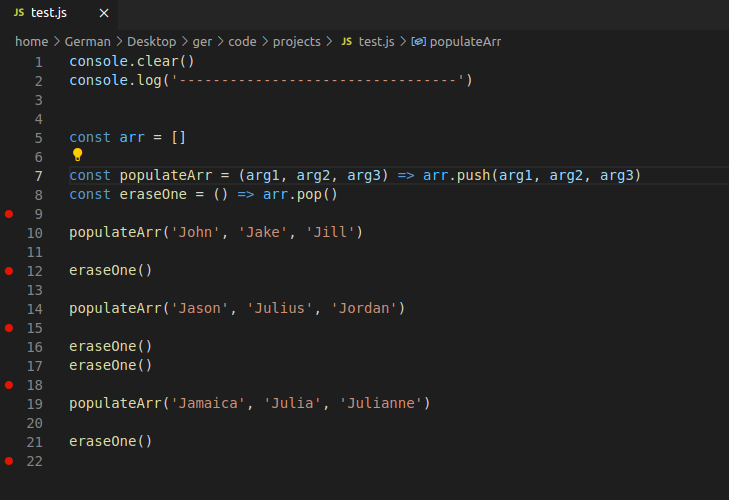
After identifying and resolving plugin-related issues on a WordPress website, it is crucial to methodically restore the site’s full functionality while ensuring stability and performance. This process involves carefully reactivating plugins, clearing caches to reflect changes accurately, monitoring the website’s performance, and documenting the steps taken. Following these guidelines helps maintain a seamless user experience and facilitates future troubleshooting efforts.
Implementing a structured approach when restoring website functionality minimizes the risk of reintroducing conflicts or errors. It ensures that all adjustments are correctly applied, that the website displays the latest updates, and that performance remains optimal. Proper documentation supports ongoing maintenance and expedites resolution of potential future issues.
Safely Reactivating Plugins After Resolution
Reactivating plugins should be performed in a controlled manner to confirm that the issues have been effectively resolved without causing new conflicts or errors. The following steps facilitate a safe reactivation process:
- Re-enable plugins one at a time in the reverse order of deactivation to isolate any potential lingering conflicts.
- After activating each plugin, thoroughly test the website’s core functionalities and specific features related to the plugin to confirm stability.
- Monitor error logs for any new warnings or issues that arise during reactivation, and address them immediately.
- If a plugin causes errors upon activation, deactivate it promptly and revisit the troubleshooting process for that plugin.
Clearing Cache and CDN to Reflect Plugin Fixes
Cache and Content Delivery Network (CDN) layers often store outdated versions of website files, which can prevent recent plugin fixes from displaying correctly. Clearing caches is essential for reflecting changes made during troubleshooting.
Key methods include:
- Clear the website’s internal cache through your caching plugin or hosting control panel.
- Use browser cache clearing tools or perform a hard refresh (e.g., Ctrl+F5) to ensure local cache is cleared.
- Clear CDN caches via your CDN provider’s management interface, often located in the caching or performance settings.
- Verify cache clearance by inspecting the website in incognito mode or with cache-burdened files removed from browser storage.
Monitoring Website Performance After Plugin Adjustments
Post-implementation monitoring ensures that plugin fixes do not adversely impact website speed and user experience. Regular checks help detect any residual or new issues early.
- Use performance analysis tools such as Google PageSpeed Insights, GTmetrix, or Pingdom to evaluate website speed and load times.
- Monitor server error logs and PHP error logs for abnormal activity or recurring issues related to plugins.
- Assess website functionality across different browsers and devices to confirm consistent user experience.
- Track visitor metrics, including bounce rate and session duration, to detect any changes in user engagement post-fix.
Documenting Troubleshooting Steps for Future Reference
Maintaining detailed documentation of troubleshooting procedures ensures that similar issues can be resolved more efficiently in the future. Well-organized records also serve as a reference for team members or external support professionals.
Guidelines for effective documentation include:
- Record the initial symptoms, error messages, and specific plugins involved.
- Document every step taken during the troubleshooting process, including plugin deactivation/reactivation sequences, cache clearing, and any changes made to configurations.
- Note the outcomes of each step, including successes, failures, and any new issues encountered.
- Save configuration snapshots or screenshots illustrating key changes or errors for visual reference.
- Summarize lessons learned and recommended preventive measures to avoid recurrence of similar problems.
“A comprehensive troubleshooting record reduces downtime and accelerates problem resolution in future scenarios, ensuring website stability and performance.” – WordPress Support Best Practices
Preventative Measures and Best Practices
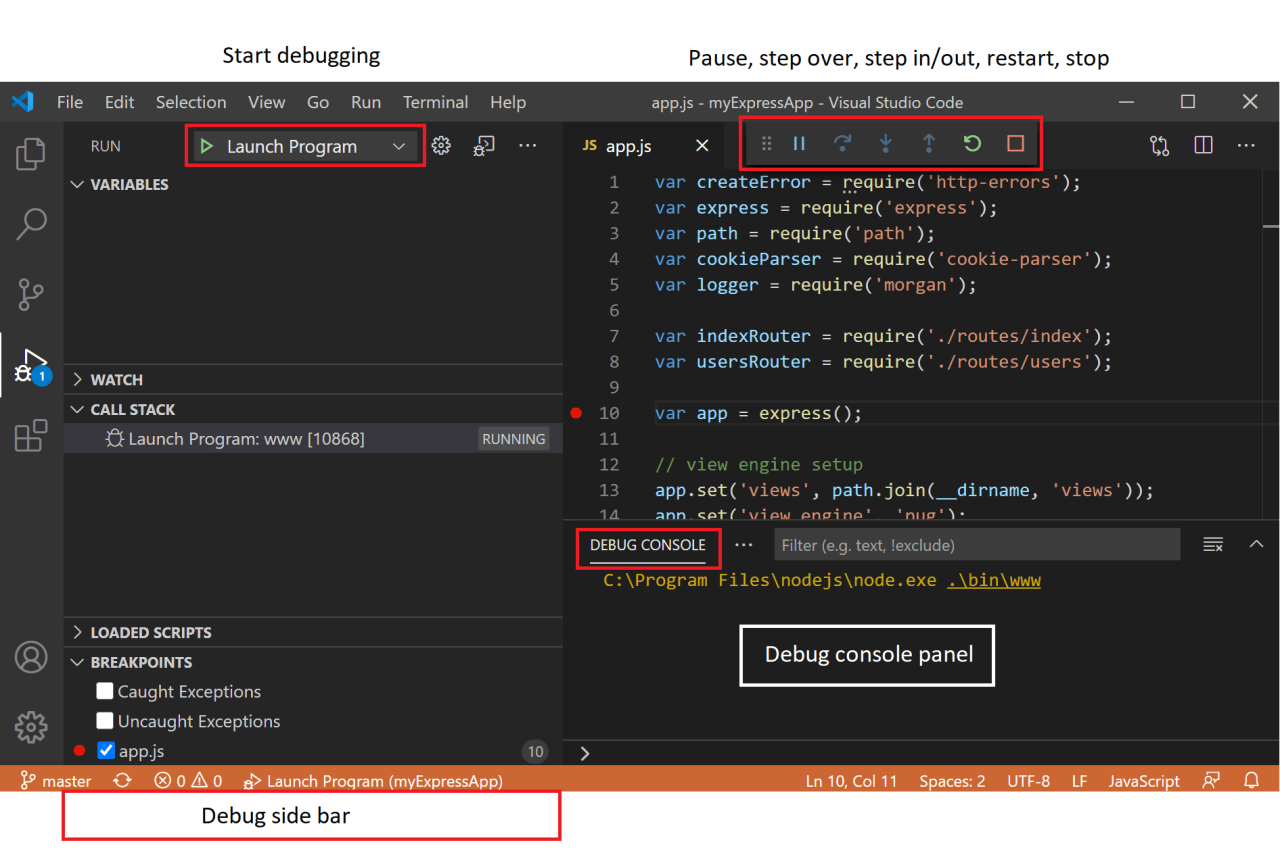
Maintaining a WordPress website requires proactive strategies to minimize plugin-related issues and ensure optimal performance. Implementing preventative measures and adhering to best practices can significantly reduce the likelihood of conflicts, errors, and security vulnerabilities associated with plugins. These strategies empower website administrators to sustain a stable and reliable online presence while streamlining ongoing maintenance efforts.Establishing a routine of diligent maintenance and following industry-recognized best practices for plugin management can mitigate many common problems before they affect site visitors.
Regularly applying updates, conducting compatibility checks, and adopting a systematic workflow for development and deployment are fundamental to a resilient WordPress environment.
Regular Plugin Updates and Maintenance
Keeping plugins up to date is vital for security, performance, and compatibility. Developers frequently release updates to patch vulnerabilities, introduce enhancements, and ensure compatibility with the latest WordPress core versions. Neglecting these updates can expose your site to security risks and cause compatibility issues with other plugins or themes.To effectively manage plugin updates:
- Schedule regular maintenance windows to check for and apply plugin updates across your site.
- Use automated update tools or management plugins that notify you of available updates, ensuring timely application.
- Maintain comprehensive backups before performing updates to enable quick restoration if issues occur.
- Review change logs of plugins before updating, especially for major updates, to understand potential impacts on site functionality.
Consistent maintenance preserves site integrity, improves security posture, and reduces the frequency of troubleshooting plugin conflicts.
Choosing Plugins with Good Reviews and Active Support
Selecting high-quality plugins is fundamental to avoiding problems related to poor development or insufficient support. Plugins with positive reviews and active developer communities tend to be more reliable, secure, and compatible with current WordPress standards.Consider the following when choosing plugins:
- Review the plugin’s ratings and read recent user feedback to identify common issues or concerns.
- Verify the date of the last update—plugins maintained regularly indicate active support and ongoing development.
- Assess the level of support provided, including responsiveness to user inquiries and the availability of documentation.
- Evaluate whether the plugin’s features align with your needs, avoiding overly complex or bloated solutions that may introduce unnecessary conflicts.
Opting for reputable plugins from established developers minimizes the risk of introducing problematic code and ensures access to timely support.
Benefits of Staging Environments for Testing Plugin Changes
Implementing a staging environment is a best practice that allows testing of plugin updates or new installations safely before affecting the live site. This isolated setup provides a controlled environment to identify potential conflicts or errors, reducing the risk of downtime or data loss.Using a staging environment offers:
- Risk mitigation by detecting issues early, allowing you to troubleshoot without disrupting visitors’ experience.
- Testing compatibility with themes and other plugins to prevent conflicts upon deployment.
- Experimenting with new plugins or updates to evaluate their impact and performance in a real-world scenario.
- Facilitating team collaboration where developers and content managers can review changes before going live.
Many hosting providers offer one-click staging solutions, making it easier for site owners to implement this best practice consistently.
Tips for Developing a Workflow That Minimizes Plugin Issues
A structured development workflow helps maintain site stability during ongoing updates and enhancements. Establishing clear procedures ensures that plugin management aligns with overall site maintenance strategies.Key workflow tips include:
- Develop on a staging or local environment, testing all plugin updates and new installations before deployment.
- Implement version control systems, such as Git, to track changes and facilitate rollbacks if issues arise.
- Create a checklist for verifying plugin compatibility after updates, including testing core functionalities and site performance.
- Document plugin configurations and customizations, enabling easier troubleshooting and consistent setup across environments.
- Schedule periodic reviews of installed plugins to identify outdated or redundant options, removing unnecessary plugins to reduce potential conflict sources.
Adopting a disciplined workflow centered around testing, documentation, and incremental changes significantly reduces the likelihood of unexpected plugin-related issues affecting your live website.
Final Thoughts
By applying systematic debugging strategies and adhering to best practices, you can significantly reduce plugin-related issues and maintain a reliable website. Regular updates, careful plugin selection, and thorough testing are key to preventing conflicts before they arise. With these insights, you’ll be well-equipped to troubleshoot effectively and ensure your WordPress site remains secure and performant.